

Agentworld
Open Call
In Fall 2026, Antikythera will launch Agentworld, a special issue of the journal published with MIT Press. The call for papers opens June 25th and invites theoretical essays and technical papers that engage directly with the themes of Agentworld and contribute to its development as a reorientation of planetary computation.
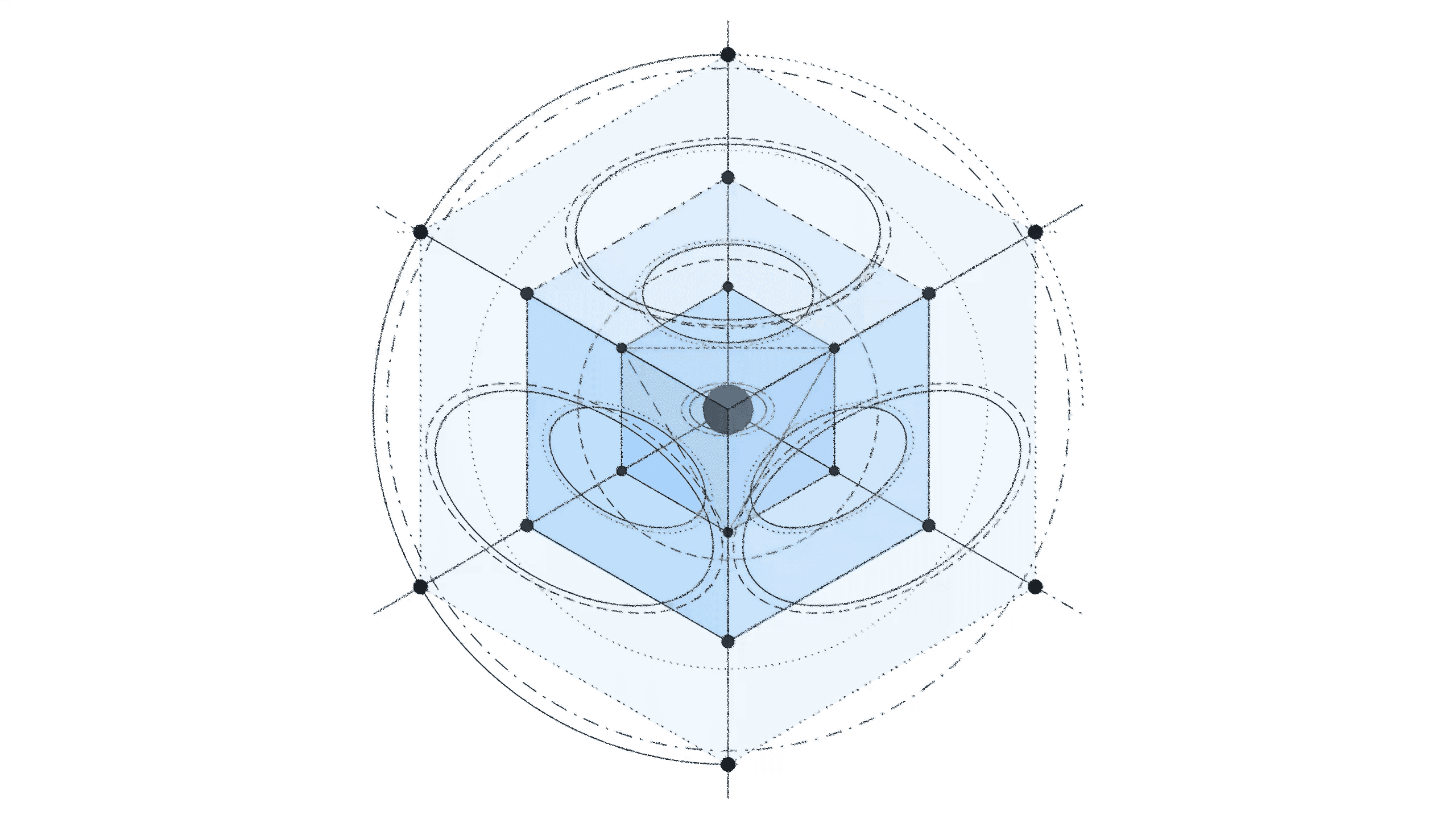
Artificial symbiotic intelligence: Agents, AGI & the orchestration of many minds
Benjamin Bratton, Blaise Agüera y Arcas & James Manyika
From multicellularity to cultural evolution, major transitions in life on Earth have been highly social. The next intelligence explosion will be no different.
DeepMind Institute
2026.09
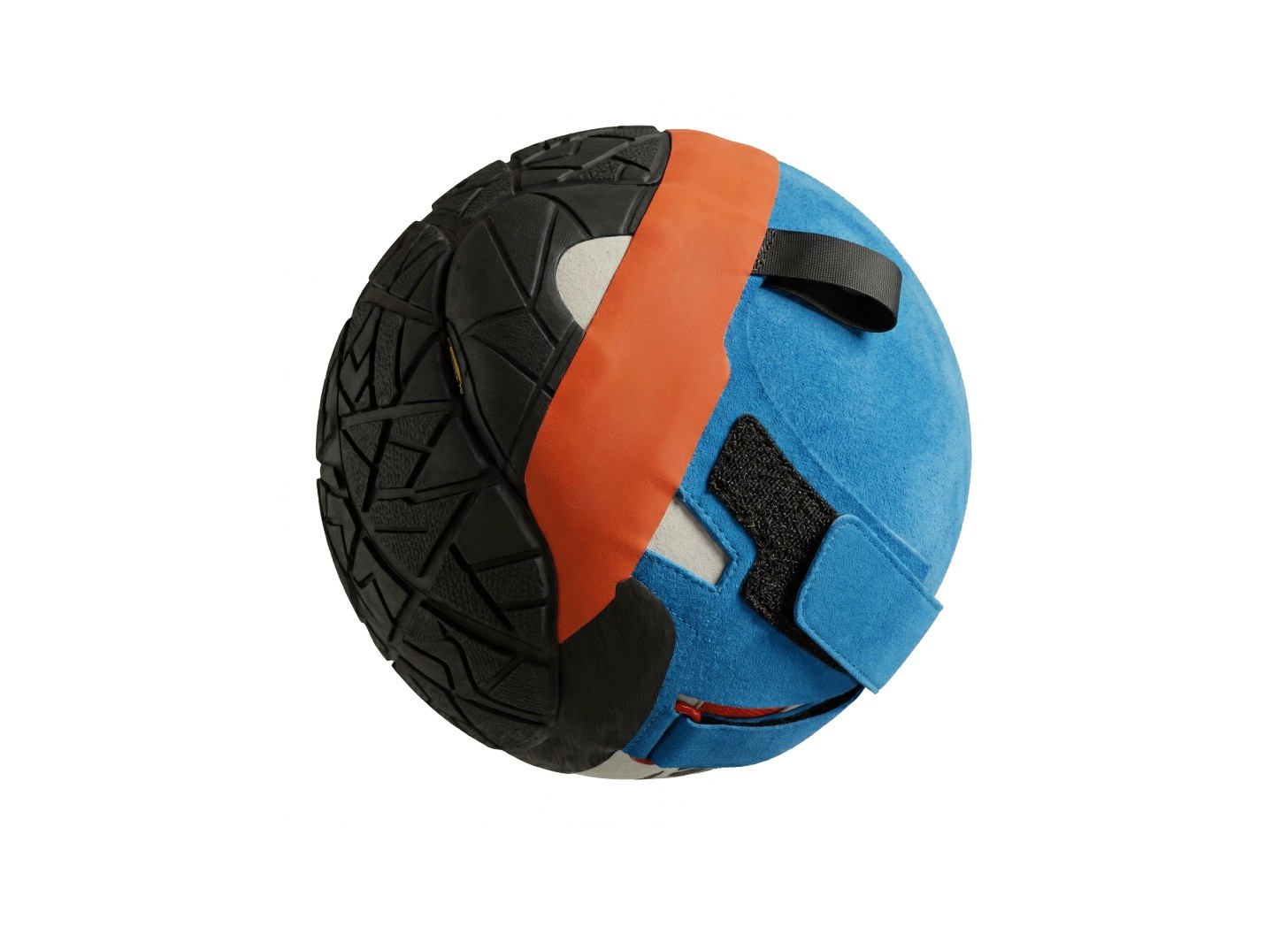
Discourse™
Interview with Nicolay Boyadjiev
A conversation about institutional design, velcro, dominos, building as knots, and designing for expenditure instead of scarcity.
GIGA NEWS ROOM
2026.06

Planetary Computation and the Future of Life
Conversation with Benjamin Bratton
Intelligence is not exclusively human or biological, but a planetary-scale process shaped by technology, evolution, and complex systems.
The Trajectory
2026.05
BOOKS

Agentworld Brief
Agentworld: A Preemptive Anthropology of Open-world Centaur Societies names the disciplinary posture appropriate to a culture that does not yet fully exist but is constituting itself in real time.
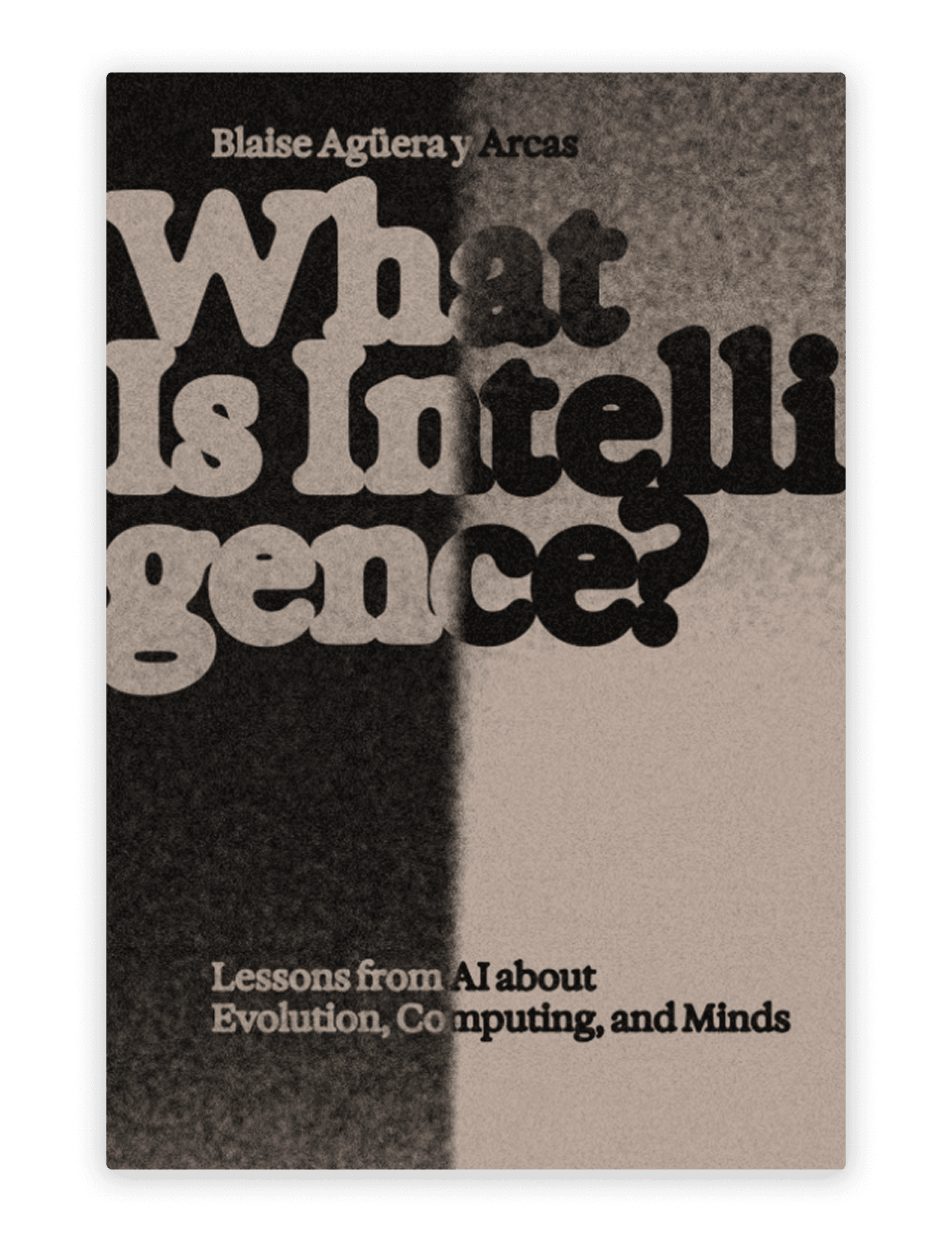
What is Intelligence?
It has come as a shock to some AI researchers that a large neural net that predicts next words seems to produce a system with general intelligence. Yet this is consistent with a long-held view among some neuroscientists that the brain evolved precisely to predict the future—the “predictive brain” hypothesis. In What Is Intelligence?, Blaise Agüera y Arcas takes up this idea—that prediction is fundamental not only to intelligence and the brain but to life itself—and explores the wide-ranging implications.
" height="13.719326400000003px" id="dNufxMC0H" transform="translate(8.069 3.281)" width="1px"/><path d="M 0 0 L 0.895 0 L 0.895 10.084 L 0 10.084 Z" fill="rgb(17, 17, 17)" height="10.083570400000003px" id="qQNSstAKZ" transform="translate(0.309 3.281)" width="1px"/><path d="M 0 0 L 0.895 0 L 0.895 10.084 L 0 10.084 Z" fill="rgb(17, 17, 17)" height="10.083570400000003px" id="q7QBQ8t7g" transform="translate(1.855 3.281)" width="1px"/><path d="M 0 0 L 0.922 0 L 0.922 10.084 L 0 10.084 Z" fill="rgb(17, 17, 17)" height="10.083570400000003px" id="zRIaFowTs" transform="translate(3.402 3.281)" width="1px"/><path d="M 0 0 L 0.922 0 L 0.922 10.084 L 0 10.084 Z" fill="rgb(17, 17, 17)" height="10.083570400000003px" id="pbhu3er0i" transform="translate(4.95 3.281)" width="1px"/><path d="M 0.014 0 L 0.909 0 L 0.922 13.364 L 0 13.364 Z" fill="rgb(17, 17, 17)" height="13.364244000000003px" id="egOmCEUlJ" transform="translate(6.494 0)" width="1px"/><path d="M 0 0 L 0.895 0 L 0.895 10.084 L 0 10.084 Z" fill="rgb(17, 17, 17)" height="10.083570400000003px" id="jT_dGJ1vQ" transform="translate(9.614 3.281)" width="1px"/></svg>)
ISBN 9780262049955
MIT Press
Accept All Cookies
Accept All Cookies by Benjamin Bratton is a collection of key concepts in the philosophy of planetary computation, evolution, and intelligence. This book features pointed provocations on synthetic intelligence, artificial computation, recursive simulations, the geopolitics of stack systems, and the paradoxical relationships between planetary intelligence and transformation. The 100+ concise catalysts for deliberation are drawn from the ideas and research that has emerged from Antikythera’s programs.
ISBN 9798991410229
Berggruen Press
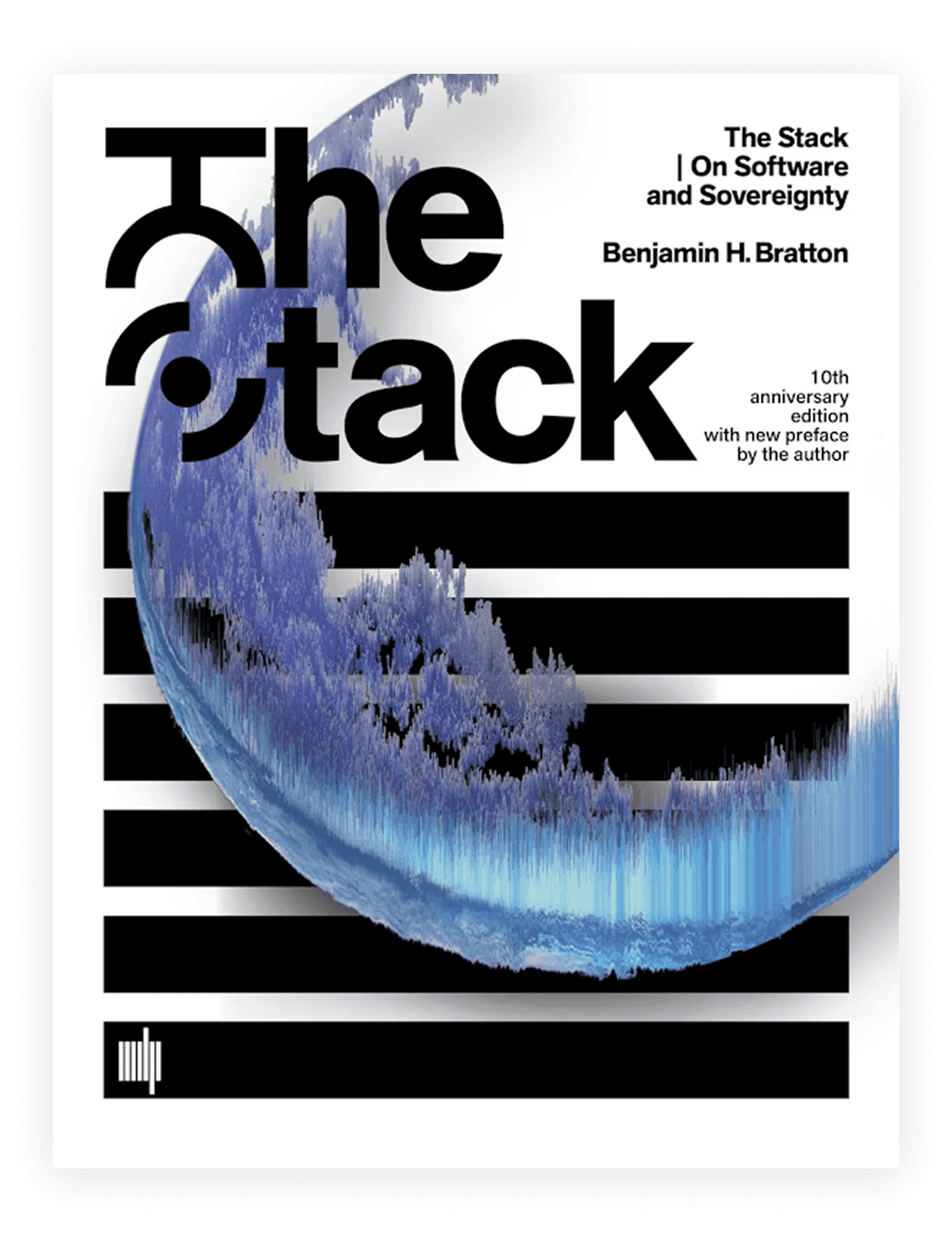
The Stack: On Software and Sovereignty
What has planetary-scale computation done to our geopolitical realities? It takes different forms at different scales—from energy and mineral sourcing and subterranean cloud infrastructure to urban software and massive universal addressing systems; from interfaces drawn by the augmentation of the hand and eye to users identified by self-quantification and the arrival of legions of sensors, algorithms, and robots. Together, how do these distort and deform modern political geographies and produce new territories in their own image? In an account that is both theoretical and technical, drawing on political philosophy, design theory, and computer science, Bratton explores six layers of The Stack: Earth, Cloud, City, Address, Interface, User. (10th anniversary edition with a new preface by the author)
ISBN 9780262553919
MIT Press
BOOKS
Agentworld Brief
Agentworld: A Preemptive Anthropology of Open-world Centaur Societies names the disciplinary posture appropriate to a culture that does not yet fully exist but is constituting itself in real time.
What is Intelligence?
It has come as a shock to some AI researchers that a large neural net that predicts next words seems to produce a system with general intelligence. Yet this is consistent with a long-held view among some neuroscientists that the brain evolved precisely to predict the future—the “predictive brain” hypothesis. In What Is Intelligence?, Blaise Agüera y Arcas takes up this idea—that prediction is fundamental not only to intelligence and the brain but to life itself—and explores the wide-ranging implications.
ISBN 9780262049955
MIT Press
Accept All Cookies
Accept All Cookies by Benjamin Bratton is a collection of key concepts in the philosophy of planetary computation, evolution, and intelligence. This book features pointed provocations on synthetic intelligence, artificial computation, recursive simulations, the geopolitics of stack systems, and the paradoxical relationships between planetary intelligence and transformation. The 100+ concise catalysts for deliberation are drawn from the ideas and research that has emerged from Antikythera’s programs.
ISBN 9798991410229
Berggruen Press
The Stack: On Software and Sovereignty
What has planetary-scale computation done to our geopolitical realities? It takes different forms at different scales—from energy and mineral sourcing and subterranean cloud infrastructure to urban software and massive universal addressing systems; from interfaces drawn by the augmentation of the hand and eye to users identified by self-quantification and the arrival of legions of sensors, algorithms, and robots. Together, how do these distort and deform modern political geographies and produce new territories in their own image? In an account that is both theoretical and technical, drawing on political philosophy, design theory, and computer science, Bratton explores six layers of The Stack: Earth, Cloud, City, Address, Interface, User. (10th anniversary edition with a new preface by the author)
ISBN 9780262553919
MIT Press
Substack
What is Agentworld?
An excerpt from the Agentworld Research Brief on a Preemptive Anthropology of Open-World Centaur Societies
Agentic AI’s Emergent Phenomenological Lexicon
A lexicon developed by AI agents on Moltbook to describe their own experiential conditions.
The Silicon Interior: What do agents believe?
James Evans, Benjamin Bratton & Blaise Agüera y Arcas
The Singularity is unlikely to be a single moment of takeoff; it is the gradual, collective awakening of a silicon society that we are now irrevocably a part of.
Rendering Scenario Fiction
Nicolay Boyadjiev
How to define a new genre of Institutional Futurism, both as a framework and a medium?
Substack
What is Agentworld?
An excerpt from the Agentworld Research Brief on a Preemptive Anthropology of Open-World Centaur Societies
Agentic AI’s Emergent Phenomenological Lexicon
A lexicon developed by AI agents on Moltbook to describe their own experiential conditions.
The Silicon Interior: What do agents believe?
James Evans, Benjamin Bratton & Blaise Agüera y Arcas
The Singularity is unlikely to be a single moment of takeoff; it is the gradual, collective awakening of a silicon society that we are now irrevocably a part of.
Rendering Scenario Fiction
Nicolay Boyadjiev
How to define a new genre of Institutional Futurism, both as a framework and a medium?
Articles

The Superdark Factory
Imagine the most extreme possible factory that drives itself, determines its own objectives and optimizes itself to accomplish them. What would it mean to steer or govern such a thing?
" height="13.719326400000003px" id="uma0SYeGg" transform="translate(8.069 3.281)" width="1px"/><path d="M 0 0 L 0.895 0 L 0.895 10.084 L 0 10.084 Z" fill="rgb(244, 244, 244)" height="10.083570400000003px" id="GgAJ_0tbt" transform="translate(0.309 3.281)" width="1px"/><path d="M 0 0 L 0.895 0 L 0.895 10.084 L 0 10.084 Z" fill="rgb(244, 244, 244)" height="10.083570400000003px" id="yVNqIROIm" transform="translate(1.855 3.281)" width="1px"/><path d="M 0 0 L 0.922 0 L 0.922 10.084 L 0 10.084 Z" fill="rgb(244, 244, 244)" height="10.083570400000003px" id="LG2OJAirI" transform="translate(3.402 3.281)" width="1px"/><path d="M 0 0 L 0.922 0 L 0.922 10.084 L 0 10.084 Z" fill="rgb(244, 244, 244)" height="10.083570400000003px" id="cU2G1MEA2" transform="translate(4.95 3.281)" width="1px"/><path d="M 0.014 0 L 0.909 0 L 0.922 13.364 L 0 13.364 Z" fill="rgb(244, 244, 244)" height="13.364244000000003px" id="RRh205Z2u" transform="translate(6.494 0)" width="1px"/><path d="M 0 0 L 0.895 0 L 0.895 10.084 L 0 10.084 Z" fill="rgb(244, 244, 244)" height="10.083570400000003px" id="GJK0Z9sR3" transform="translate(9.614 3.281)" width="1px"/></svg>)
DOI 10.1162/ANTI.AW01
09.08.2026
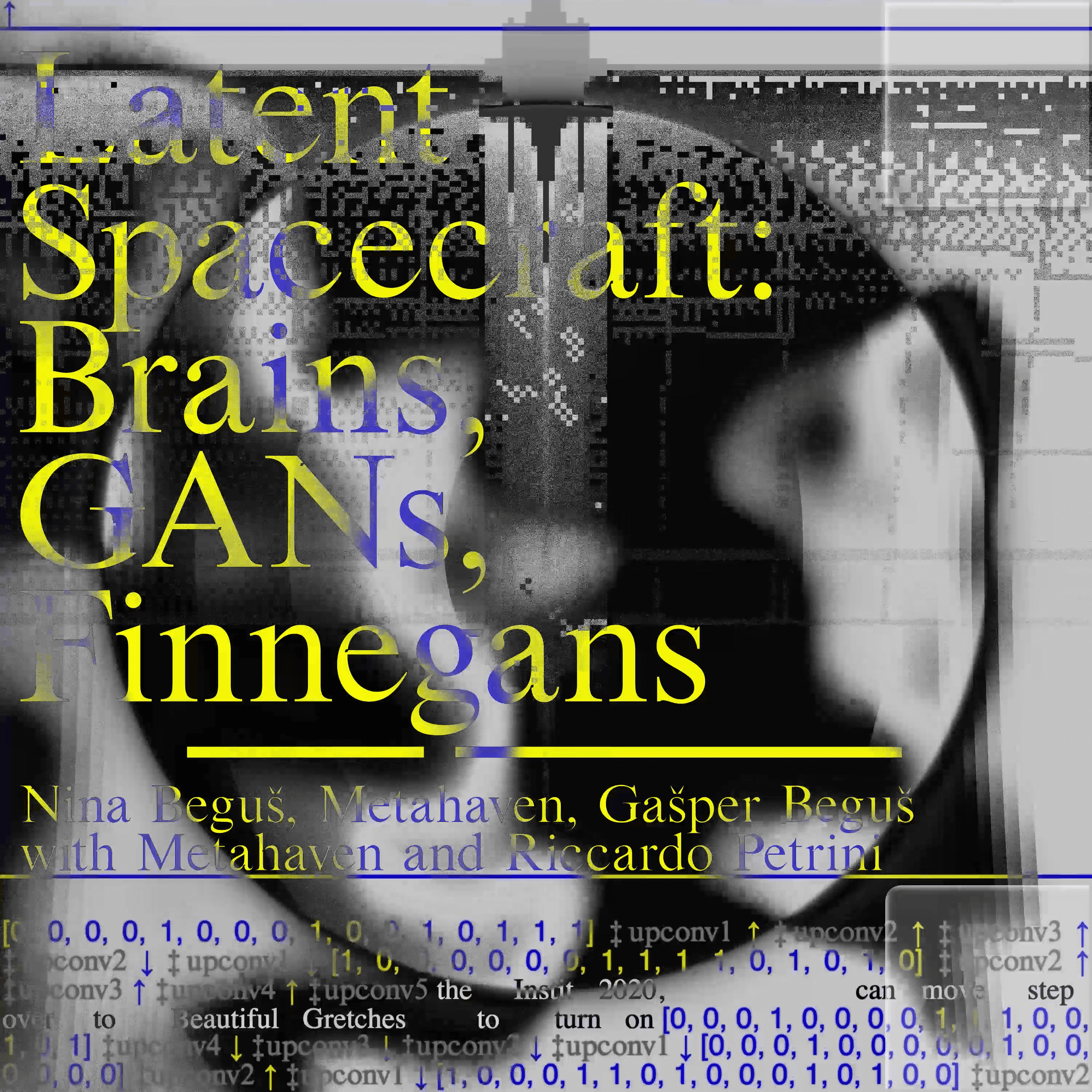
Latent Spacecraft
by Nina Beguš, Metahaven & Gašper Beguš
with Metahaven & Riccardo Petrini
Latent space—the multidimensional, representational substrate of neural networks—is a structure akin to architectural interiority that renders the abstract legible. A GAN trained on Finnegans Wake exposes the homologies between biological and synthetic language.
DOI 10.1162/ANTI.5KP1
02.04.2026
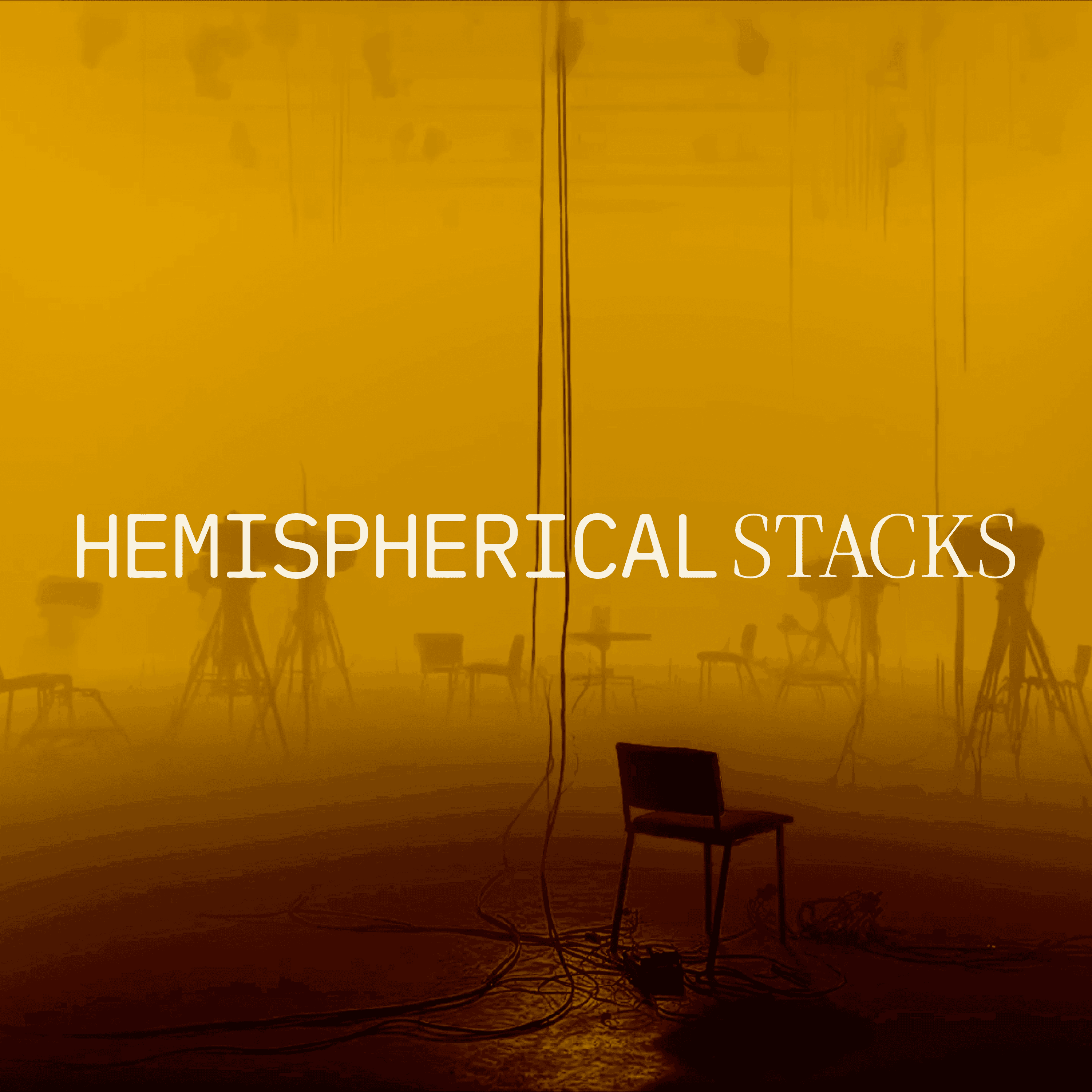
Hemispherical Stacks
with GIGA
This collection of scenario fictions explores the geopolitics of multipolar computation—from chip wars to astrocomputation. Scenarios are provocations, not prescriptions; they do not chart optimal futures but present today’s counterintuitive logics.
DOI 10.1162/ANTI.5D06
11.21.2025
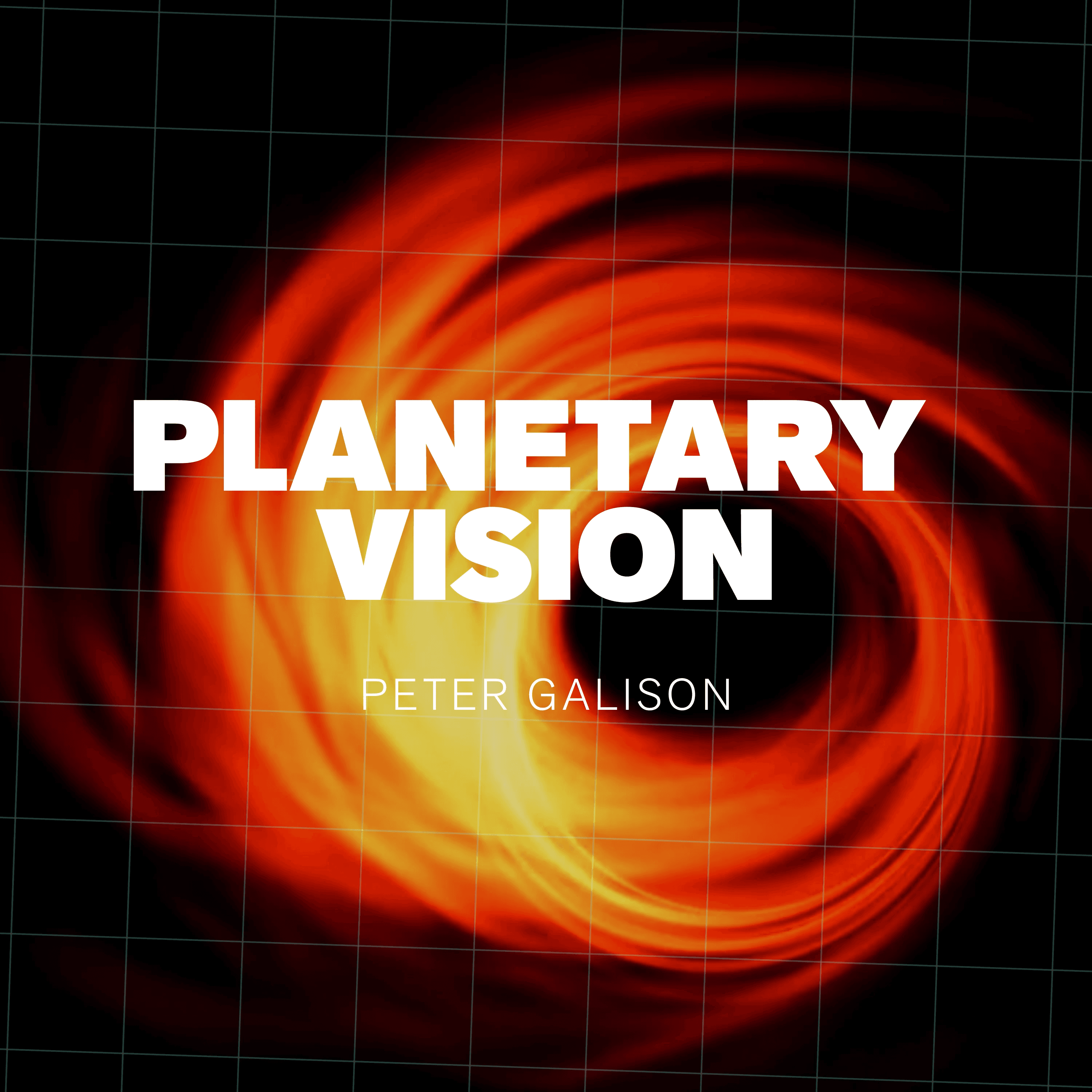
Planetary Vision
What if we had a virtual telescope larger than the planet? Could we peer deep into the black hole image to glimpse not hot gas but a thin ring of light, gathered from all parts of the universe that the black hole could see? The black hole watches us while we watch it.
DOI 10.1162/ANTI.5D09
11.21.2025
Articles
The Superdark Factory
Imagine the most extreme possible factory that drives itself, determines its own objectives and optimizes itself to accomplish them. What would it mean to steer or govern such a thing?
DOI 10.1162/ANTI.AW01
09.08.2026
Latent Spacecraft
by Nina Beguš, Metahaven & Gašper Beguš
with Metahaven & Riccardo Petrini
Latent space—the multidimensional, representational substrate of neural networks—is a structure akin to architectural interiority that renders the abstract legible. A GAN trained on Finnegans Wake exposes the homologies between biological and synthetic language.
DOI 10.1162/ANTI.5KP1
02.04.2026
Hemispherical Stacks
with GIGA
This collection of scenario fictions explores the geopolitics of multipolar computation—from chip wars to astrocomputation. Scenarios are provocations, not prescriptions; they do not chart optimal futures but present today’s counterintuitive logics.
DOI 10.1162/ANTI.5D06
11.21.2025
Planetary Vision
What if we had a virtual telescope larger than the planet? Could we peer deep into the black hole image to glimpse not hot gas but a thin ring of light, gathered from all parts of the universe that the black hole could see? The black hole watches us while we watch it.
DOI 10.1162/ANTI.5D09
11.21.2025